CG Policy · 2025
In this section7 topics
Corporate Governance Policy
Has a Corporate Governance Policy
Yes
Policy Description
The Board of Directors plays a key role in establishing, overseeing, and promoting the Company’s good corporate governance. The Board has considered and approved the Company’s corporate governance policy as a framework to guide business direction with transparency, accountability, stakeholder consideration, and alignment with the principles of good corporate governance for listed companies.
The Board also reviews the corporate governance policy on a regular basis to ensure alignment with good governance practices, international standards, and relevant regulatory requirements. In addition, the Board oversees the communication of the policy to management and employees at all levels and monitors its proper implementation to ensure that the Company continues to conduct its business in accordance with good governance principles.
Policy & Practices — Board of Directors
Has Policy & Guidelines for the Board
Yes
Board Guidelines
| Guideline | Detail |
|---|---|
| Nomination of Directors | The Board of Directors places importance on maintaining an appropriate board composition aligned with the Company’s business nature and strategic direction. Director nomination and selection are based on qualifications that meet the Company’s needs, including knowledge, skills, experience, and expertise relevant to the ceramic industry, manufacturing, management, and corporate governance. Board diversity and the overall balance of the Board are also taken into consideration. The Company has established a director nomination process under which the Board of Directors collectively considers and selects candidates based on appropriate qualifications at the relevant time. Candidates may be nominated by the Board, shareholders, or relevant business networks, prior to being proposed to the shareholders’ meeting for approval. The Company verifies qualifications and prohibited characteristics in accordance with applicable laws, considers potential conflicts of interest, and assesses independence qualifications for independent directors. Shareholders are also provided with the opportunity to propose agenda items and nominate candidates for directorship within a specified period. In accordance with the Public Limited Companies Act and the Company’s Articles of Association (Article 21), at each Annual General Meeting of Shareholders, one-third of the directors shall retire by rotation. Retiring directors are eligible for re-election, subject to the Board’s consideration prior to submission for shareholders’ approval. (Details of the Board composition are provided in Section 7.2: Information on the Board of Directors.) |
| Determination of Director Remuneration | The Company has established a directors’ remuneration policy to ensure that remuneration is appropriate and reasonable, and aligned with the roles, responsibilities, and workload of each director position, while taking into account fairness, transparency, and good corporate governance principles. Directors’ remuneration is considered by the Board of Directors as a whole, based on the Company’s performance and the appropriateness of the remuneration structure, before being proposed to the shareholders’ meeting for approval. Remuneration is paid in accordance with applicable legal requirements. Where not otherwise specified in the Company’s Articles of Association, approval by the shareholders’ meeting must be obtained by a vote of not less than two-thirds of the total votes of shareholders attending the meeting. The remuneration structure comprises monthly remuneration, additional remuneration based on duties or positions (such as the Chairman and Audit Committee members), and meeting allowances in the event of additional meetings. The Company does not provide any other benefits to directors, except for salaries paid to directors serving in executive positions, which have already been disclosed in the Annual Report. |
| Independence of the Board of Directors from the Management | The Company has established a policy requiring the Board of Directors to perform its duties independently from management to ensure careful, transparent, and effective oversight in the best interests of the Company and its shareholders. Independent directors are appointed in accordance with regulatory requirements, and their independence qualifications and potential conflicts of interest are reviewed both prior to appointment and throughout their tenure. Directors are required to disclose any conflicts of interest and abstain from voting or participating in the consideration of matters in which they or their related persons have an interest. Directors may also request additional information from management as necessary for their consideration, and meetings of directors only, without management presence, may be held when appropriate. (Details of the qualifications and independence criteria for independent directors are provided in Section 7.2: Information on the Board of Directors.) |
| Director Development | The Company supports directors in obtaining the information and knowledge necessary for the effective discharge of their duties. This includes plant visits, training on directors’ roles and responsibilities, and participation in seminars organized by the Stock Exchange of Thailand and external organizations. These activities help enhance directors’ knowledge in line with changing business conditions and strengthen the effectiveness of the Company’s governance. |
| Board Performance Evaluation | The Board regularly holds discussions to monitor the Company’s performance and review directors’ practices in order to enhance board effectiveness and support organizational management in line with the Company’s objectives and strategy. |
| Corporate Governance of Subsidiaries and Associated Companies | The Board of Directors places importance on overseeing subsidiaries and associates to ensure that all companies within the Group operate in accordance with good corporate governance principles, applicable laws, and relevant regulations. A policy on the governance of subsidiaries and associates has been established as a framework for appropriate supervision, control, and performance monitoring. Under this policy, the Company appoints qualified individuals to serve as directors, executives, or authorized persons in subsidiaries and associates in proportion to its shareholding. Such appointments are subject to the consideration and approval of the Board of Directors to ensure alignment with the direction of the parent company. Subsidiaries and associates are required to comply with the Company’s policies, Business Code of Conduct, internal control systems, and disclosure requirements to ensure consistency in governance practices, mitigate risks, and enhance transparency. This includes compliance with requirements relating to connected transactions, related party transactions, acquisitions or disposals of assets, and the disclosure of material information. In terms of monitoring and internal control, the Company regularly monitors and evaluates the performance of subsidiaries and associates through reporting and risk management systems. Subsidiaries and associates are required to report financial, operational, compliance, and key risk information to the Board of Directors of the parent company on a regular basis. Where any risks or operations are identified that may impact the Company or the Group, the Board of Directors will consider appropriate actions, including review, guidance, or corrective measures, to ensure that subsidiaries and associates operate in line with the Group’s policies and objectives effectively. |
Code of Conduct
Has a Business Code of Conduct
Yes
Code of Conduct Description
The Board of Directors prioritises ethical business operations through the establishment and approval of a formal Business Code of Conduct. This framework guides directors, executives, and employees in maintaining integrity, transparency, and responsibility toward all stakeholders. The Code applies to every entity within the Group, requiring strict compliance at all levels of personnel. Its scope encompasses internal governance policies and ethical practices across the entire corporate value chain.
Key provisions within the Code address critical areas, including the prevention of conflicts of interest, anti-corruption measures, and legal compliance. It further dictates the appropriate use and protection of corporate assets, information security, and fair business competition. Social and environmental considerations, such as human rights protection, occupational health and safety, and long-term sustainability, are also integrated into these standards.
The Company’s commitment to these ethical foundations is reflected in its performance. Throughout the past year, no instances of ethical misconduct or violations of the Business Code of Conduct were identified.
Code of Conduct Practices
| Guideline | Other — Please Specify | Detail |
|---|---|---|
| Prevention of Misuse of Inside Information | The Company establishes strict guidelines to prevent conflicts of interest, ensuring business operations remain fair, transparent, and unbiased. All directors, executives, and employees are prohibited from using their positions for personal gain and must avoid actions that create conflicts between personal interests and those of the Company. Immediate disclosure to a direct supervisor or the Managing Director is mandatory upon identifying a potential conflict of interest. This allows for the timely development of appropriate preventive or corrective measures. In cases involving the Managing Director, disclosure must be made to the Chairman of the Board, potentially facilitated through the Company Secretary, for formal review and resolution. Employees must refrain from entering into transactions with the Company if they or their close associates have a vested interest, unless explicit approval is granted through official corporate procedures. Furthermore, the Company avoids business dealings with individuals or entities directly or indirectly related to employees. Such transactions are permitted only after full disclosure and formal approval, maintaining transparency and mitigating conflict of interest risks. | |
| Anti-corruption | The Company maintains a strict policy of transparency, prohibiting all forms of fraud, bribery, and corruption, whether direct or indirect. Directors, executives, and employees at all levels are strictly forbidden from soliciting, receiving, or offering bribes to business partners, government officials, politicians, customers, or any third party. This prohibition extends to political neutrality, as the Company does not provide support to any political parties or individuals and strictly prohibits the use of corporate resources for political purposes. To ensure effective compliance, the Company promotes ethics and anti-corruption awareness through consistent internal communication and engagement activities. These initiatives empower employees to understand and adhere to all relevant policies and operational guidelines correctly. | |
| Whistleblowing and Protection of Whistleblowers | The Company provides formal channels for reporting misconduct, including fraud, legal violations, internal regulation breaches, or ethical misconduct. All stakeholders may submit information through the following designated channels:
All reports undergo a screening process and are managed based on the nature of the issue by Human Resources, the Company Secretary, or the Internal Audit department. Significant or high-risk cases are escalated to the Audit Committee to ensure transparency and impartiality throughout the investigation. The Company is committed to maintaining strict confidentiality and providing full protection to whistleblowers. Measures are in place to prevent any form of retaliation, intimidation, or unfair treatment. Furthermore, the Company ensures that all reports are investigated thoroughly, with progress updates provided within a timeframe appropriate to the complexity of the matter. | |
| Preventing the Misuse of Inside Information | The Company establishes strict guidelines to prevent the unauthorised use of inside information for personal or third-party gain. Directors, executives, and employees are prohibited from disclosing or using non-public information, including trading the Company’s securities based on such material. Personnel with access to sensitive information—specifically those in Finance and Accounting, the Company Secretary office, and Investor Relations—must report any transactions involving Company securities within three business days to the Company Secretary or the designated unit. In cases where the Company Secretary performs a transaction, a report must be submitted to the Chairman of the Board within the same timeframe. A mandatory "blackout period" is enforced, requiring personnel to refrain from trading Company securities for 30 days prior to the public disclosure of financial statements or other material information. Trading may resume only after a minimum of 24 hours following the formal public announcement. All relevant personnel are instructed to exercise extreme caution in the storage, handling, and transmission of inside information to prevent leaks. The Company maintains robust oversight measures to monitor and address potential conflicts of interest and insider trading violations. Any breach of these policies is considered a serious disciplinary offence, subject to maximum disciplinary action and legal proceedings where applicable. | |
| Giving or receiving gifts, entertainment, or business entertainment | The Company establishes clear guidelines regarding the giving or receiving of gifts, entertainment, and business hospitality to prevent improper benefits. These measures ensure that business decisions remain independent and free from conflicts of interest. Directors, executives, and employees must avoid providing or accepting gifts or hospitality of excessive value or anything that could be interpreted as a business inducement. In circumstances where such offerings are unavoidable, individuals are required to report and follow established corporate procedures for transparency and auditability. This includes the appropriate return or disposal of such items as deemed necessary. Non-compliance with these guidelines will result in disciplinary action in accordance with the Company’s internal regulations. | |
| Compliance with laws, rules and regulations | The Company is committed to operating with integrity, transparency, and accountability. All directors, management, and employees are required to strictly adhere to the laws, rules, and regulations governing business operations. This fundamental commitment ensures that all duties are performed with the highest standards of accuracy and ethical correctness. | |
| Use and maintenance of data and assets | The Company establishes strict guidelines for the appropriate, honest, and responsible use of corporate assets and resources. All directors, executives, and employees are tasked with safeguarding these assets against loss, damage, or unauthorised use. This protection extends to inside information, confidential data, and intellectual property, which must not be disclosed to third parties or used for personal gain without formal authorisation. Any identified misuse of corporate assets or information must be reported immediately to a direct supervisor or the relevant department. Such reporting enables timely investigation and the implementation of measures to prevent further damage to the Company. | |
| Anti-competitive | The Company adheres to the principles of fair and transparent competition in full compliance with relevant trade competition laws. Collusion with competitors that leads to monopolies or restricted competition is strictly prohibited. Furthermore, the Company forbids the improper acquisition or use of competitors' information, ensuring all market activities align with established ethical guidelines and competition policies. | |
| Cyber security | The Company prioritises the security of its information assets and information technology (IT) systems. Robust guidelines are integrated into the Business Code of Conduct and specific IT operational frameworks to guide personnel at all levels. All employees must strictly comply with information security policies and cybersecurity measures to prevent unauthorised access, data leaks, loss, or misuse. Any identified security incidents or potential risks must be reported immediately to the designated departments. During 2025, the Company enhanced employee awareness through training and e-learning programmes. These initiatives covered personal data protection, cyber-attack prevention, and response strategies for threats such as phishing. Monitoring results for the year confirmed that no significant information security breaches or personal data violations occurred. Furthermore, the Company received no related complaints or legal actions. | |
| Environmental management | The Company implements environmental management within a comprehensive sustainability framework, focusing on mitigating business-related impacts and maximising resource efficiency. Operational measures prioritise waste reduction and impact mitigation throughout the production process. All emissions and waste discharges are strictly controlled to remain within applicable regulatory standards, supported by the proactive use of eco-friendly materials. Accident prevention protocols and environmental response plans are established to address potential incidents that could affect the environment or surrounding communities. Furthermore, the Company consistently cultivates ESG awareness among employees, fostering a corporate culture of environmental stewardship and continuous participation in sustainability initiatives. | |
| Human rights | The Company prioritises respect for human rights and human dignity through fair and non-discriminatory personnel management. All employment processes—from recruitment to daily operations—are conducted without regard to gender, age, race, religion, beliefs, education level, or social status. Fair internal channels are established to allow employees to submit suggestions or grievances in accordance with corporate procedures. This commitment to ethical standards extends to the Company’s procurement activities. Sustainable procurement practices are integrated into operations to encourage business partners to operate responsibly, respect human rights, and strictly prohibit illegal labour. These collective efforts aim to elevate human rights standards across the entire corporate supply chain. | |
| Occupational health and safety | The Company prioritises occupational health and safety to ensure a secure and appropriate working environment for all personnel. Operational strategies focus on health oversight, safety standards, and environmental conditions, alongside the proactive prevention of workplace accidents. These measures aim to mitigate operational risks and enhance the overall quality of life for employees. Safety communication and educational programmes are consistently provided to empower the workforce with essential knowledge. Furthermore, the Company maintains accessible channels for employees to report safety concerns, facilitating continuous review and improvement of safety protocols. | |
| Other guidelines related to business code of conduct | Customer Data Protection and Privacy | The Company prioritises the confidentiality and security of customer personal data, ensuring full compliance with the Personal Data Protection Act B.E. 2562 (2019) and the Corporate Privacy Policy published on its official website. Formal procedures are established for data collection, usage, and disclosure, including designated channels for personal data grievances. These measures provide customers, service users, and stakeholders with the assurance that their personal information is managed appropriately and securely. Detailed provisions are accessible via the Privacy Policy section on the corporate website. In 2025, the Company identified no complaints or incidents regarding the violation of customer personal data. Furthermore, no instances of non-compliance with the Personal Data Protection Act B.E. 2562 (2019) were reported, reflecting the effectiveness of internal data governance. |
Promoting Compliance with the Code of Conduct
Promotes Compliance by Directors, Executives and Employees
Yes
Description
The Company requires all directors, executives, and employees to acknowledge, study, and strictly adhere to the Business Code of Conduct. For the Board of Directors, the Code is communicated through formal presentations and reviews during Board meetings. The official resolution to adopt this framework ensures that directors remain fully informed and ethically aware in their governance roles.
Executives and employees engage with the Business Code of Conduct through a comprehensive learning process, encompassing both on-site training and internal online platforms. Following these sessions, mandatory post-tests are conducted to verify understanding. The Company sets a clear target of 100% participation and completion for all executives and employees. This structured approach ensures that ethical awareness and practical application are deeply integrated into the Company's operational culture.
Anti-Corruption Networks & Projects
Joined or Declared Intent to Join Anti-Corruption Networks
No
Networks & Projects Joined
| Network / Project |
|---|
| Thai Private Sector Collective Action Against Corruption: CAC |
| United Nations Global Compact (UNGC) |
| Participation of anti-Corruption networks and initiatives |
Material Changes & Developments in CG
Reviewed the CG Policy or Board Charter in the Past Year
Yes
Material Changes or Developments in the Past Year
Yes
Policy Review — Description
During 2025, the Company reviewed and enhanced its corporate governance and internal control documentation to ensure alignment with best practices and improve operational clarity. This initiative involved standardizing structures and terminology, categorizing content to cover all critical governance aspects, and strengthening the integration of related operational guidelines. These improvements aim to provide a practical, transparent, and auditable governance framework.
Implements the CG Code for Listed Companies
Yes
CG Code — Description
The Company adopts the Corporate Governance Code for Listed Companies 2017 (CG Code), established by the Securities and Exchange Commission (SEC), as its primary framework for governance policies and practices. The Board of Directors has reviewed and approved a Corporate Governance Policy encompassing all eight key principles recommended by the SEC, tailored to the Company’s scale, business nature, and specific context.
Certain sub-guidelines have yet to be implemented, specifically the requirement for the Chairman of the Board to be an Independent Director and the establishment of a formal Nomination and Remuneration Committee.
The Board of Directors maintains that the current governance structure and processes remain appropriate and effective. All Board members actively participate in the deliberation, policy-making, and oversight of significant corporate matters. These collective responsibilities are exercised with due care and completeness, consistently upholding the core principles of good corporate governance.
Other CG Performance & Outcomes
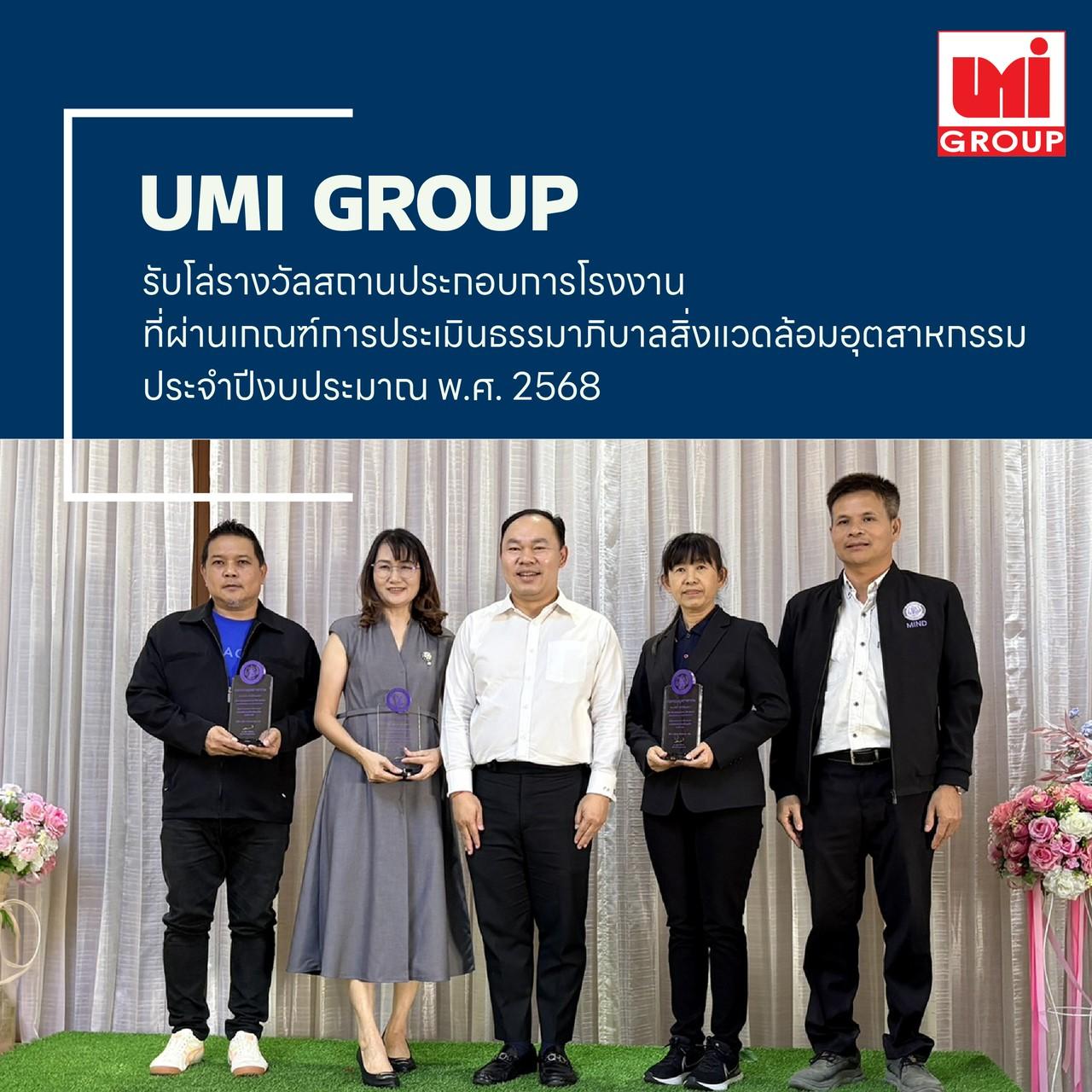
The Group received the "Industrial Environmental Governance Award" from the Saraburi Provincial Industry Office. This accolade underscores a steadfast commitment to environmental integrity and transparent, auditable management practices. Such recognition reflects the Group’s continuous efforts to align industrial operations with high ethical and environmental standards.