
Sustainability · 2025
In this section52 topics
- Sustainability Policy2 items
- Sustainability Goals & UN SDGs3 items
- Policy Review2 items
- Business Value Chain1 item
- Stakeholder Analysis1 item
- Environmental Policy & Guidelines3 items
- Environmental Policy Review3 items
- Energy — Plan & Guidelines2 items
- Energy — Electricity Consumption1 item
- Energy — Fuel Consumption1 item
- Energy — Targets2 items
- Energy — Performance & Outcomes2 items
- Water — Plan & Guidelines2 items
- Water — Withdrawal, Discharge & Consumption1 item
- Water — Targets2 items
- Water — Performance & Outcomes2 items
- Waste — Plan & Guidelines2 items
- Waste — Generation, Disposal & Recycling1 item
- Waste — Targets2 items
- Waste — Performance & Outcomes2 items
- GHG — Plan & Guidelines2 items
- GHG — Emissions1 item
- GHG — Emissions Verification3 items
- GHG — Principles & Standards1 item
- GHG — Targets1 item
- GHG Targets — Net Zero1 item
- GHG Targets — Carbon Neutrality1 item
- GHG — Performance & Outcomes2 items
- Environmental Legal Incidents1 item
- Other Environmental Management1 item
- Social Sustainability — Overview1 item
- Social Policy & Guidelines3 items
- Social Policy Review1 item
- Social — Principles & Standards Practised1 item
- Human Rights Due Diligence2 items
- Employees — Plan & Guidelines3 items
- Employees — Workforce1 item
- Employees — Remuneration & Provident Fund1 item
- Employees — Training & Development2 items
- Employees — Occupational Health & Safety1 item
- Employees — Labour Relations2 items
- Employees — Employee Representation2 items
- Employees — Targets2 items
- Employees — Performance & Outcomes2 items
- Customers — Plan & Guidelines3 items
- Customers — Satisfaction Results1 item
- Customers — Targets2 items
- Customers — Performance & Outcomes2 items
- Community & Social — Plan & Guidelines3 items
- Community & Social — Targets2 items
- Community & Social — Performance & Outcomes2 items
- Law Violation Incidents1 item
Sustainability Policy
Has a Sustainability Policy
Yes
Policy Description
The Company is committed to sustainable business development by considering environmental and social impacts across its value chain, in alignment with stakeholder expectations, the Sufficiency Economy Philosophy, the United Nations Global Compact, the United Nations Sustainable Development Goals (UN SDGs), and relevant international standards.
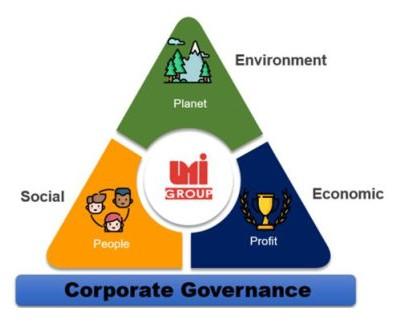
Sustainability principles are integrated through the Triple Bottom Line (TBL) framework, emphasizing balanced growth across three dimensions:
Economic: Ensuring stable business growth and strong performance, while managing risks and considering potential impacts on society and the environment.
Environmental: Promoting efficient resource utilization, waste reduction, recycling, and minimizing environmental impacts.
Social: Conducting business with consideration for all stakeholders, including employees, communities, customers, and business partners, through fair and sustainable practices.
The Company applies sustainability principles across all operations, both domestically and internationally, to address key sustainability issues relevant to its business now and in the future. Accordingly, the Company has established its sustainability policy as follows:
Sustainability Framework: Triple Bottom Line
Environmental Dimension
Environmental quality management is a priority, with proactive measures in place to mitigate business-related environmental impacts. To address climate change, targets have been set to achieve carbon neutrality by 2050 and Net Zero Greenhouse Gas Emission by 2065. Comprehensive greenhouse gas management, energy efficiency, water resource conservation, and waste management are key focus areas.
Production processes are continuously enhanced by optimizing energy and natural resource use. Circular economy principles are adopted to maximize resource efficiency, renewable energy sources such as solar power are utilized, and digital technologies are leveraged to drive ongoing sustainability improvements
Social Dimension
Business operations are conducted in a way that creates long-term value for all stakeholders, upholding human rights and ensuring non-discrimination based on race, religion, gender, age, education, or social status.
Employees receive fair and equitable treatment, with a strong emphasis on skill development, recognizing them as a key driver of business success. A safe and healthy work environment is maintained, striving to become an accident-free organization.
High-quality, standardized products are delivered to enhance customer satisfaction. Regular customer satisfaction assessments inform continuous product and service improvement. Effective after-sales services, efficient complainthandling channels, responsible marketing and advertising, and strict compliance with the Personal Data Protection Act (PDPA) are ensured.
Active contributions to communities and society are encouraged through support for public-interest initiatives. Collaboration with local communities, business partners, external organizations, and stakeholders drives positive social impact. Employees are also encouraged to develop a strong sense of social responsibility and actively engage in community development.
Governance and Economic Dimension
Strives for continuous improvement in manufacturing processes to deliver high-quality products and services while driving innovation to meet diverse customer needs. With operations spanning both domestic and international markets, the “Duragres” and “Cergres” brands ensure that premium-quality products reach customers efficiently. At the same time, new business opportunities are explored to drive future revenue growth.
Emphasizes sustainable supply chain management by fostering strong partnerships and collaborating with suppliers to enhance operational sustainability. Business partners are selected based on ethical business practices, social and environmental responsibility, and compliance with contractual agreements and legal requirements, including the Personal Data Protection Act (PDPA).
Upholds transparency in business operations by adhering to the principles of good corporate governance. Comprehensive and accurate disclosures of financial and sustainability-related information are ensured, along with robust risk management and internal control measures. Anti-fraud and anti-corruption policies are strictly enforced, and full compliance with all relevant laws and regulations is maintained.
Sustainability Goals & UN SDGs
Has Sustainability Goals
Yes
Goals Description
The Company has established enterprise-wide sustainability targets aligned with its short- and long-term business direction and strategy to enhance competitiveness and support stable growth. Key targets are summarized as follows:
Environment and Climate (long term): Achieve carbon neutrality by 2050 and net zero greenhouse gas emissions by 2065 through the management of greenhouse gas emissions, energy, water, and waste, as well as increased use of clean energy and more efficient resource utilization.
Operational Efficiency (short to medium term): Continuously improve production processes and internal management by applying digital technologies to enhance efficiency, reduce losses, and support data-driven decision-making.
Safety and People (ongoing): Promote occupational health and safety, develop employee capabilities, and foster a workplace culture that respects human rights and non-discrimination, with the goal of becoming an accident-free organization.
Customers and Quality (ongoing): Enhance products and services to meet quality standards, strengthen customer satisfaction, provide effective complaint-handling channels, and protect personal data in compliance with applicable laws.
Supply Chain and Governance (ongoing): Strengthen sustainable supply chain management by selecting business partners that operate ethically, demonstrate social and environmental responsibility, and comply with applicable laws and contractual obligations, alongside good corporate governance, transparency, internal control, and anti-corruption practices.
The Company regularly monitors and reviews progress against these targets and discloses relevant information, as appropriate.
UN Sustainable Development Goals
| SDG Goal |
|---|
| Goal 3 Good Health and Well-being |
| Goal 4 Quality Education |
| Goal 5 Gender Equality |
| Goal 6 Clean Water and Sanitation |
| Goal 7 Affordable and Clean Energy |
| Goal 8 Decent Work and Economic Growth |
| Goal 9 Industry, Innovation and Infrastructure |
| Goal 11 Sustainable Cities and Communities |
| Goal 12 Responsible Consumption and Production |
| Goal 13 Climate Action |
| Goal 16 Peace, Justice and Strong Institutions |
Policy Review
Policy Reviewed This Year
No
Policy Changed This Year
No
Business Value Chain
Value Chain Description
The Company places importance on operations and supply chain management processes that support business success. Each stage is managed to ensure alignment and operational efficiency, as outlined below.
Stakeholder Analysis
Stakeholder Analysis
| Stakeholder Type | Stakeholders | Stakeholder Expectations | Response to Expectations | Communication Activities |
|---|---|---|---|---|
| Internal stakeholders | 2897 · Description: Board of director | comprehensive information for oversight and decision-making, strategy execution, appropriate internal control and risk management systems, and good corporate governance | reporting and monitoring systems, support for oversight and key issue review, and periodic review of risks and internal controls | 2949 · Other name: Board and sub-committee meetings, management reports, and agenda presentations/supporting documents · Description: Others |
| Internal stakeholders | 2921 · Description: Employees | appropriate compensation and benefits, job security and career growth opportunities, skills development, safety and occupational health, and fairness and non-discrimination | effective human resource management, training and development support, a safe and supportive working environment, and feedback and grievance mechanisms | 2941 · Description: Online Communication · 2942 · Description: Internal Meeting · 2945 · Description: Complaint Reception · 2946 · Description: Employee Engagement Survey · 2948 · Description: Training / Seminar |
| External stakeholders | 2904 · Description: Investors or investment institutions · 2905 · Description: Analysts · 2913 · Description: Shareholders | equitable treatment, accurate, complete and timely information, transparency and good governance, and regular communication | disclosure in compliance with applicable requirements, consistent communication of key information, and handling feedback and inquiries within disclosure guidelines | 2941 · Description: Online Communication · 2944 · Description: Annual General Meeting (AGM) · 2949 · Other name: Annual Report/56-1 One Report, investor/analyst meetings, investor engagement activities, and SET disclosure channels · Description: Others |
| External stakeholders | 2925 · Description: Financial institution | compliance with terms and conditions, ability to meet payment obligations, reliable information, and clarity of agreements | liquidity and cash flow management, monitoring key obligations and requirements, and communication and coordination on documentation and payments in accordance with procedures | 2949 · Other name: meetings and consultations, submission of relevant documents/reports, and coordination through responsible departments · Description: Others |
| External stakeholders | 2894 · Description: Creditor · 2899 · Description: Suppliers · 2911 · Description: Raw material distributors · 2918 · Description: Contractors | fair trading terms, payment in accordance with agreed terms, clear specifications and quality requirements, clear work and delivery plans, and safety in operations | 2949 · Other name: meetings and progress follow-ups, periodic coordination, contract/PO documentation, performance reviews as appropriate, and communication and issue resolution channels · Description: Others | |
| External stakeholders | 2903 · Description: Dealers | product quality and standards, appropriate pricing/discounts and trade terms, on-time delivery, product and stock availability, sales and marketing support, and prompt coordination and issue resolution channels | collaborative sales and delivery planning, product information and sales material support as appropriate, order and delivery management in line with agreed terms, and feedback handling and follow-up on issue resolution | 2938 · Description: Visit · 2941 · Description: Online Communication · 2945 · Description: Complaint Reception · 2947 · Description: Satisfaction Survey · 2949 · Other name: sales team/area managers, and after-sales service · Description: Others |
| External stakeholders | 2915 · Description: Consumers · 2923 · Description: Customers | product quality and standards, reasonable pricing, on-time delivery, after-sales service, complaint channels, clear product information, and personal data protection | product quality and service standards, product development and information aligned with customer needs, complaint handling and follow-up, and after-sales service in line with procedures | 2938 · Description: Visit · 2941 · Description: Online Communication · 2945 · Description: Complaint Reception · 2947 · Description: Satisfaction Survey · 2949 · Other name: sales team/customer service · Description: Others |
| External stakeholders | 2931 · Description: Government agencies and Regulators | compliance with applicable laws and regulations, complete and timely reporting, and cooperation in audits | monitoring and compliance with laws and regulations, preparation and submission of reports/documents as required, and support for inspections and audits in accordance with procedures | 2949 · Other name: submission of reports/documents, inspections and audits, and meetings and coordination with relevant authorities · Description: Others |
| External stakeholders | 2934 · Description: Standard organization | compliance with standards and certification criteria, complete supporting evidence and documentation, and readiness for audits and follow-up | operations in compliance with relevant standards, preparation of documentation and evidence, and review and improvement based on audit feedback as appropriate | 2949 · Other name: audits and follow-up assessments, submission of documents and reports, and meetings and coordination · Description: Others |
| External stakeholders | 2902 · Description: Community | environmental and quality of life impact reduction, safety, listening to concerns and complaints, and appropriate community engagement | environmental and safety impact control, complaint handling and resolution, and community and social activities as appropriate | 2940 · Description: Social Event · 2945 · Description: Complaint Reception · 2949 · Other name: community meetings/engagement, and communication through representatives/relevant authorities · Description: Others |
| External stakeholders | 2929 · Description: Media | accurate, transparent, and verifiable information | communication of information in accordance with the company’s disclosure framework, and responses to inquiries through designated channels as appropriate | 2949 · Other name: communication of information in accordance with the company’s disclosure framework, and responses to inquiries through designated channels as appropriate · Description: Others |
Environmental Policy & Guidelines
Has an Environmental Policy
Yes
Policy Description
The Company manages its environmental operations under policies and guidelines aimed at minimizing environmental impact, enhancing resource efficiency, and supporting the Circular Economy framework. By adhering to the 3R principles (Reduce, Reuse, Recycle), the Company’s approach covers energy, water, waste, air quality, noise, and greenhouse gas (GHG) management, while considering impacts on surrounding communities and ensuring compliance with applicable laws and regulations.
Energy Management:
The Company manages electricity and fuel consumption through energy monitoring, regular maintenance of equipment and machinery, and continuous efficiency improvements. Clean energy adoption is supported through the installation and maintenance of solar rooftop systems.Water Resources and Quality:
The Company operates a wastewater treatment system and reuses 100% of treated water within its production processes, resulting in zero discharge to public water bodies. This approach reduces raw water consumption and mitigates risks to external water sources, with water quality monitored in accordance with regulatory requirements.Waste Management:
The Company implements waste segregation, control, and disposal in compliance with relevant laws and standards, while promoting resource recovery and waste reduction. Innovation and quality control are applied to support the use of recycled materials in products. The “Living Green” product line contains approximately 85% recycled materials, supporting resource efficiency and Circular Economy principles.Air Quality and Noise:
The Company monitors and controls emissions and dust from production processes, as well as noise from machinery and plant operations, to ensure compliance with regulatory requirements. Pollution control systems are regularly maintained to support effective environmental management.Climate Change:
The Company supports greenhouse gas (GHG) reduction through energy efficiency measures, clean energy adoption, and efficient resource management. Environmental performance is strengthened through relevant certifications and initiatives, including Green Industry Level 4 (Green Culture) and participation in the LESS (Low Emission Support Scheme). The Company also conducts Corporate Carbon Footprint (CFO) and Product Carbon Footprint (CFP) assessments to support a systematic approach to GHG reduction.
Environmental Guidelines
| Guideline |
|---|
| Electricity Management |
| Fuel Management |
| Renewable/Clean Energy Management |
| Water Management |
| Waste Management |
| Greenhouse Gas and Climate Change Management |
| Air Quality Management |
| Noise Pollution Management |
Environmental Policy Review
Policy Reviewed This Year
Yes
Review Details
Over the past year, the Company reviewed and refined its environmental policy to make it clearer and more specific, with emphasis on the following areas: (1) the efficient use of natural resources, energy, electricity, and water; (2) stronger support for greenhouse gas (GHG) reduction; (3) systematic waste management, including waste reuse to reduce impacts on communities and the environment; (4) continued promotion of environmental activities and employee participation to strengthen corporate culture; and (5) regular monitoring, review, and evaluation of the policy for continuous improvement.
Policies & Guidelines Changed
| Change |
|---|
| Electricity Management |
| Water Management |
| Waste Management |
| Greenhouse Gas and Climate Change Management |
Energy — Plan & Guidelines
Has an Energy Management Plan
Yes
Plan Description
The Company implements its Energy Management Plan to improve energy efficiency and reduce environmental impacts. The plan covers electricity and fuel consumption in production processes and supporting systems. Quantitative targets have been set against the 2022 base year, and performance is continuously monitored against these targets (details are provided in the target table).
Key measures under the plan include:
improving the efficiency of kilns and core production systems;
carrying out preventive maintenance (PM) to reduce losses and improve energy efficiency;
selecting energy-saving motors and high-efficiency equipment, as well as upgrading machinery where appropriate;
encouraging all functions to participate in energy reduction through internal communication and performance monitoring; and
supporting the use of renewable and clean energy through the Solar Rooftop project, together with performance monitoring, planned maintenance, and consideration of further expansion, as appropriate.
The Company also monitors key energy indicators, such as electricity and fuel consumption per unit of production, and reviews performance at least annually to support continuous improvement in energy efficiency.
Energy — Electricity Consumption
Electricity Consumption
| Metric | Current Year | Previous Year | Two Years Ago |
|---|---|---|---|
| Total electricity consumption within the organization (Kilowatt-Hours) | 39,400,367 | 40,692,532 | 42,245,464 |
| Electricity purchased for consumption from non-renewable energy sources (Kilowatt-Hours) | |||
| Electricity purchased or generated for consumption from renewable energy sources (Kilowatt-Hours) |
Energy — Fuel Consumption
Fuel Consumption
| Metric | Current Year | Previous Year | Two Years Ago |
|---|---|---|---|
| Crude oil (Barrels) | |||
| Coal (Metric tonnes) | |||
| Jet fuel (Litres) | |||
| Diesel (Litres) | 88,247 | 93,605 | 99,251 |
| Gasoline (Litres) | |||
| Fuel oil (Litres) | |||
| Natural gas (Standard cubic feet) | 1,044,826,047.12 | 1,052,744,185 | 1,162,771,173 |
| LPG (Kilograms) | 41,958 | 61,425 | 213,065 |
| Steam (Metric tonnes) |
Energy — Targets
Has Set Targets
Yes
Targets
| Target | Base Year | Base Year Value | Target Year | Target Year Value | Target Change (%) | Unit |
|---|---|---|---|---|---|---|
| Reduction of electricity purchased and fuel consumption | 2,022 | 406,000 | 2,025 | 10 | Megawatt-Hours | |
| Increase of electricity consumption from renewable energy sources | 2,022 | 0 | 2,025 | 4,400 | Megawatt-Hours | |
| Reduction of electricity purchased for consumption | 2,022 | 44,000 | 2,025 | 10 | Megawatt-Hours |
Energy — Performance & Outcomes
Has Performance Results
Yes
Performance Description
Over the past year, the Company implemented energy management measures in line with its established plan and continuously monitored performance through key energy indicators. In 2025, purchased electricity amounted to approximately 34,500 MWh, representing a decrease of approximately 21% from the 2022 base year of approximately 43,900 MWh. At the same time, total energy consumption, including electricity and fuel, was approximately 339,000 MWh, down approximately 17% from approximately 406,000 MWh in the 2022 base year.
The Company also supported clean energy use through the Solar Rooftop project at the UMI-2 plant. In 2025, renewable electricity consumption was approximately 4,900 MWh, accounting for approximately 14% of total electricity consumption. This exceeded the target of approximately 4,400 MWh and helped reduce greenhouse gas emissions by approximately 2,446 tCO2e. Based on ongoing monitoring of energy indicators, the Company observed a downward trend in energy consumption per unit of production and achieved energy savings through machinery improvement projects implemented across several parts of the production process.
Overall, the Company’s energy management performance in 2025 exceeded all established targets, reflecting continued progress in improving energy efficiency and promoting the practical use of clean energy.
The Company and its subsidiaries participated in the Low Emission Support Scheme (LESS) of the Thailand Greenhouse Gas Management Organization (Public Organization) (TGO) and received certification for greenhouse gas emission reductions achieved through energy efficiency improvement activities within the certified scope.
Water — Plan & Guidelines
Has a Water Management Plan
Yes
Plan Description
Reduce water use in the production process in accordance with the 3Rs principle: Reduce, Reuse, and Recycle
Regularly monitor and record raw water and tap water consumption to reduce losses
Control and maintain the wastewater treatment system to ensure efficiency before water is reused
Record wastewater treatment system performance in accordance with legally required forms, such as Thor.Sor. 1 and Thor.Sor. 2
Report results to relevant government authorities and manage water use in compliance with environmental requirements
Water — Withdrawal, Discharge & Consumption
Water Withdrawal, Discharge & Consumption
| Metric | Current Year | Previous Year | Two Years Ago |
|---|---|---|---|
| Total water withdrawal (Cubic meters) | 2,995,523 | 3,698,950 | 4,561,393 |
| Total water withdrawal by third-party water (Cubic meters) | |||
| Total water withdrawal by surface water (Cubic meters) | |||
| Total water withdrawal by groundwater (Cubic meters) | |||
| Total water withdrawal by seawater (Cubic meters) | |||
| Total water withdrawal by produced water (Cubic meters) | |||
| Percentage of wastewater treated before discharge (%) | 100 | 100 | 100 |
| Total water discharge (Cubic meters) | 0 | 0 | 0 |
| Total water discharge to third-party water (Cubic meters) | |||
| Total water discharge to surface water (Cubic meters) | |||
| Total water discharge to groundwater (Cubic meters) | |||
| Total water discharge to seawater (Cubic meters) | |||
| Total water consumption (Cubic meters) | 2,995,523 | 3,698,950 | 4,561,393 |
| Recycled water (Cubic meters) | 2,528,712 | 3,204,731 | 4,092,428 |
Water — Targets
Has Set Targets
Yes
Targets
| Target | Base Year | Base Year Value | Target Year | Target Change (%) | Unit | Unit — Please Specify |
|---|---|---|---|---|---|---|
| Reduction of water withdrawal | 2,022 | 3.8 | 2,027 | 20 | Other | million cubic meters. |
Water — Performance & Outcomes
Has Performance Results
Yes
Performance Description
In 2025, the Company reduced total water consumption by approximately 22% compared to the base year, exceeding the 2030 target of 20%. Treated water quality remained in full compliance with legal requirements throughout the year, with zero wastewater discharge to external water sources, consistent with the previous year.
The Company and its subsidiaries will continue to review and adjust targets as appropriate, taking into account actual performance and water reduction potential. Efforts will be maintained to ensure continuous and effective water conservation going forward.
Waste — Plan & Guidelines
Has a Waste Management Plan
Yes
Plan Description
Segregate waste into categories, including non-hazardous and hazardous waste
Reduce waste at the source in accordance with the 3Rs principle: Reduce, Reuse, and Recycle
Control the storage, transportation, and disposal of waste in compliance with applicable laws and regulations
Prepare consent documentation between waste generators and licensed hazardous waste contractors, as required by law
Report waste management data (Wor.Or. 2) through the iSingleForm system and continuously monitor related activities
Waste — Generation, Disposal & Recycling
Waste Generation, Disposal & Recycling
| Metric | Current Year | Previous Year | Two Years Ago |
|---|---|---|---|
| Total waste generated (Kilograms) | 14,507,239 | 13,349,971 | 12,406,868 |
| Non-hazardous waste (Kilograms) | 14,458,433 | 13,305,451 | 12,373,178 |
| Non-hazardous waste - Landfilling (Kilograms) | |||
| Non-hazardous waste - Incineration (with energy recovery) (Kilograms) | |||
| Non-hazardous waste - Incineration (without energy recovery) (Kilograms) | |||
| Non-hazardous waste - Other disposal operations (Kilograms) | |||
| Hazardous waste (Kilograms) | 48,806 | 44,520 | 33,690 |
| Hazardous waste - Landfilling (Kilograms) | |||
| Hazardous waste - Incineration (with energy recovery) (Kilograms) | |||
| Hazardous waste - Incineration (without energy recovery) (Kilograms) | |||
| Hazardous waste - Other disposal operations (Kilograms) | |||
| Total reused/recycled waste (Kilograms) | 13,071,354 | ||
| Reused/Recycled non-hazardous waste (Kilograms) | 13,043,823 | ||
| Reused non-hazardous waste (Kilograms) | |||
| Recycled non-hazardous waste (Kilograms) | |||
| Reused/Recycled hazardous waste (Kilograms) | 27,531 | ||
| Reused hazardous waste (Kilograms) | |||
| Recycled hazardous waste (Kilograms) |
Waste — Targets
Has Set Targets
Yes
Targets
| Waste Type | Disposal Approach | Target | Base Year | Base Year Value | Target Year | Target Change (%) | Unit |
|---|---|---|---|---|---|---|---|
| Non-hazardous waste | 2758 · Description: Reuse | Reduce waste volume | 2,022 | 30,000 | 2,025 | 5 | Tonne |
Waste — Performance & Outcomes
Has Performance Results
Yes
Performance Description
The Company and its subsidiaries implement systematic waste management, with a focus on reducing waste at the source alongside continuous resource recovery in accordance with the 3Rs principle (Reduce, Reuse, Recycle).
Performance results show that total non-hazardous waste has steadily declined, from approximately 30,000 tonnes in 2022 to approximately 28,000 tonnes in 2025, representing a reduction of approximately 7%. This reflects improved production control and effective waste reduction at the source. The Company continues to promote reuse and recycling, particularly by returning tile scraps from the production process back into manufacturing to reduce the use of new raw materials. A decrease in the proportion of reused waste in certain periods is attributable to improved production efficiency, which has reduced waste generation at the source.
In addition, the Company has received certification under the Low Emission Support Scheme (LESS) from the relevant government agency, reflecting its commitment to reducing environmental impacts and operating in a sustainable manner.
GHG — Plan & Guidelines
Has a GHG Management Plan
Yes
Plan Description
Reduce natural gas consumption in the production process by improving combustion efficiency and heat utilization
Reduce electricity consumption by enhancing the efficiency of machinery, equipment, and supporting systems
Reduce fuel use in internal logistics and plant operations by promoting the use of electric forklifts and clean energy equipment
Support increased adoption of renewable and clean energy, such as solar rooftop installation
Promote waste segregation and resource recovery to reduce greenhouse gas (GHG) emissions from waste management
GHG — Emissions
GHG Emissions
| Metric | Current Year | Previous Year | Two Years Ago |
|---|---|---|---|
| Total GHG emissions (Metric tonnes of carbon dioxide equivalent) | 76,050 | 78,693 | 86,689 |
| Total greenhouse gas emissions 1 (Metric tonnes of carbon dioxide equivalent) | 58,799 | 60,815 | 67,463 |
| Total greenhouse gas emissions 2 (Metric tonnes of carbon dioxide equivalent) | 17,251 | 17,878 | 19,226 |
| Total greenhouse gas emissions 3 (Metric tonnes of carbon dioxide equivalent) | 0 | 0 | 0 |
GHG — Emissions Verification
Emissions Verified by a Third Party
Yes
Verifying Body
2645
Verification Web Page
https://thaicarbonlabel.tgo.or.th/index.php?lang=TH&mod=Y0hKdlpIVmpkSE5mWVhCd2NtOTJZV3c9&keyword=%E0%B8%97%E0%B8%B5.%E0%B8%97%E0%B8%B5
GHG — Principles & Standards
Principles & Standards Applied
| Standard |
|---|
| 2671 |
GHG — Targets
Has Set GHG Targets
Yes
GHG Targets — Net Zero
Net Zero Targets
| Emission Scope | Base Year | Base Year Emissions | Near-term Target Year | Near-term Target Change (%) | Long-term Target Year | Long-term Target Change (%) | Target Year | Target Change (%) | Unit |
|---|---|---|---|---|---|---|---|---|---|
| 2715 | 2,022 | 92,351.11 | 2,030 | 25 | 2,065 | 90 | 2,030 | 25 | Metric tonnes of carbon dioxide equivalent |
GHG Targets — Carbon Neutrality
Carbon Neutrality Targets
| Emission Scope | Carbon Neutrality Certified | Base Year | Base Year Emissions | Target Year | Target Change (%) | Unit |
|---|---|---|---|---|---|---|
| 2715 | N | 2,022 | 92,351.11 | 2,050 | 100 | Metric tonnes of carbon dioxide equivalent |
GHG — Performance & Outcomes
Has Performance Results
Yes
Performance Description
The Company and its subsidiaries (“the Group”), through T.T. Ceramic PCL (TTC), a subsidiary, have implemented a systematic greenhouse gas management approach by preparing Carbon Footprint of Products (CFP) and Carbon Footprint for Organization (CFO) assessments. This process was supported by consulting services from Green Styles Co., Ltd. and independently verified by ECEE Co., Ltd. in accordance with the criteria of the Thailand Greenhouse Gas Management Organization (Public Organization) (TGO).
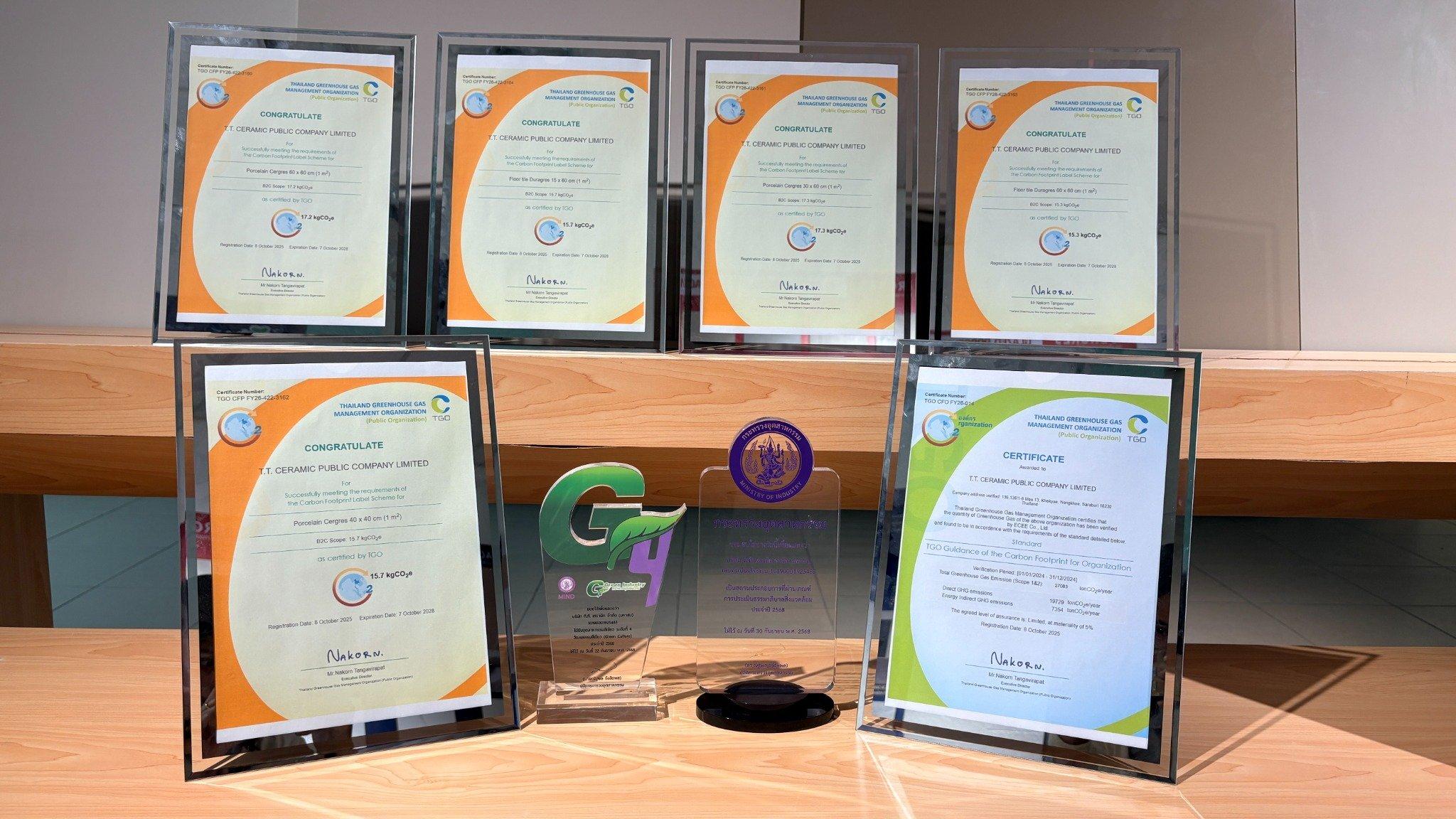
In 2025, TTC received CFP certification for five products, with product greenhouse gas emissions of 17.3, 15.7, 17.2, 15.3, and 15.7 kgCO2e per unit, respectively. This reflects effective and consistent control of greenhouse gas emissions throughout the production process. Further details are available on the Thailand Carbon Label website: https://thaicarbonlabel.tgo.or.th/. In addition, TTC received CFO certification for 2024, with combined Scope 1 and Scope 2 greenhouse gas emissions of 27,083 tCO2e per year, as verified by ECEE Co., Ltd.
The Group reduced greenhouse gas emissions by 17.65% from the 2022 base year, equivalent to a total reduction of 16,301 tCO2e. Verification of the 2025 CFO data is currently underway, with completion and certification expected within the fourth quarter of 2026. Full results and detailed documentation will be disclosed on the corporate website (https://www.umi-tiles.com/) to provide stakeholders with transparent and up-to-date information, supporting the Group’s long-term commitment to Carbon Neutrality and Net Zero goals.
The Group has also obtained Green Industry certifications at Level 2 (Green Activity) and Level 4 (Green Culture), reflecting its continued commitment to conducting business in parallel with environmental stewardship.
Environmental Legal Incidents
Legal Violation Incidents
| Metric | Current Year | Previous Year | Two Years Ago |
|---|---|---|---|
| Number of cases or incidents of legal violations or negative environmental impact (cases) | 0 | 0 | 0 |
Other Environmental Management
Plan Description
Environmental Quality Management in the Plant
The Company conducts annual environmental monitoring in accordance with the requirements of the Ministry of Industry, the Ministry of Natural Resources and Environment, the Ministry of Public Health, and other relevant regulatory authorities. Monitoring results for the past year were fully compliant with applicable standards, covering:
stack emission monitoring;
noise level measurement;
lighting and heat exposure assessment; and
monitoring of particulate matter and chemical substances.
The results indicate that plant operations remained within safe levels and did not impact surrounding communities.
Chemical Management Plan
Control the procurement, storage, and use of chemicals and hazardous substances in compliance with applicable laws and regulations;
Submit required declarations for controlled hazardous substances (e.g., Wor.Or./Or.Kor.7 forms);
Prepare annual hazardous substance storage safety reports (e.g., Bor.Chor.6);
Establish measures to prevent leakage, exposure, and chemical-related emergencies; and
Regularly review safety data and inspect storage areas.
The Company has effectively managed chemicals and hazardous substances in compliance with legal requirements, with no adverse impacts on employees, communities, or the environment.
Social Sustainability — Overview
Operating Results — Introduction
The Company monitors and oversees human rights issues in accordance with its established practices. During the year, no human rights violations, labor disputes, or external complaints from customers, business partners, or communities were identified. Appropriate grievance and whistleblowing channels are in place to enable stakeholders to report concerns with confidence.
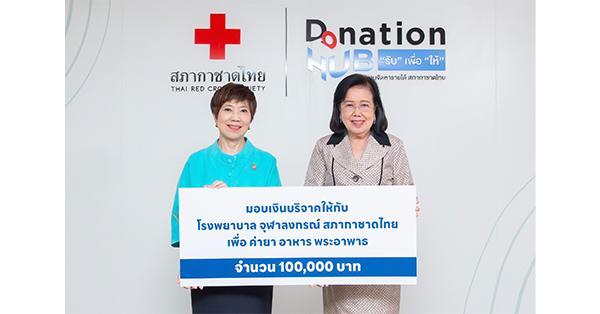
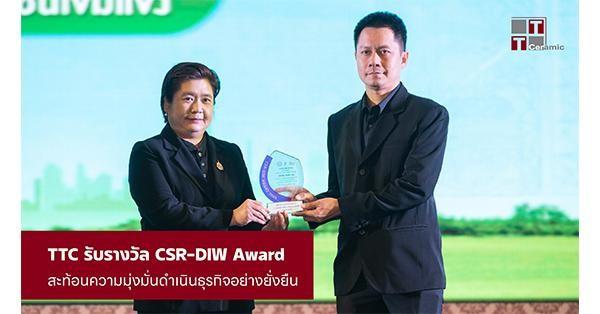
The Group has also continued to carry out other social initiatives, including support for social activities through donations to King Chulalongkorn Memorial Hospital, The Thai Red Cross Society, to support public health operations, and recognition through the 2025 CSR-DIW Award.
Employees — Plan & Guidelines
Has an Employee Management Plan
Yes
Plan Description
The Company places importance on fair treatment of employees and workers by managing labor practices in line with labor laws and human rights principles. Key areas are as follows:
Fair and equitable employment and termination:
The Company conducts recruitment, selection, appointment, transfer, and termination based on principles of equality, transparency, and fairness, without discrimination, and in compliance with labor laws and relevant internal requirements. Employment terms and benefits are clearly defined, and termination decisions are made based on appropriate reasons, facts, and established procedures.Fair compensation and benefits:
The Company provides an appropriate and fair compensation and benefits structure in compliance with legal requirements. Wages are paid on time, including overtime pay and other benefits in accordance with relevant conditions, to support quality of life and fairness in the workplace. Key practices include:Performance-based compensation: Annual bonuses are paid based on Company performance and individual performance evaluations, which are conducted twice a year.
Annual salary adjustment: Consideration is given to relevant economic factors, such as inflation and labor market conditions.
Retirement savings benefits (Provident Fund: PVD): The Company supports employees’ long-term financial security. Employees may choose a contribution rate ranging from 3% to 15% of salary, and the Company provides additional contributions in accordance with the prescribed conditions.
Length of Service | Employer Contribution Rate (%) |
0 – 5 years | 3 |
More than 5 years | 4 |
Employee development:
The Company promotes continuous learning and the development of skills necessary for work through various forms of training, aligned with employees’ roles and the direction of the organization, to strengthen capability and career growth.Employee relations and engagement:
The Company seeks to foster a positive working environment, promote internal communication, and encourage employees to share opinions and suggestions through appropriate channels, in order to strengthen engagement and collaboration.Migrant workers:
The Company treats migrant workers fairly and equally, employs them lawfully, does not retain personal identification documents, and supports appropriate access to welfare and grievance channels.Child labor:
The Company has a policy against child labor and does not tolerate any form of child labor. Age and qualifications are verified during the recruitment process, and compliance with these requirements is continuously monitored.Occupational health and safety:
The Company places importance on occupational health and safety through hazard prevention measures, safety risk assessments, and ongoing safety training. It also promotes employee well-being in order to reduce work-related risks.
The Company also provides appropriate channels for employee suggestions and complaints to support a fair working environment and to continuously monitor labor and human rights issues.
Plan Areas
| Plan Area |
|---|
| Fair employee compensation |
| Employee training and development |
| Promoting employee relations and participation |
| Migrant/foreign labor |
| Child labor |
| Occupational health and safety in workplace |
Employees — Workforce
Workforce Data
| Metric | Current Year | Previous Year | Two Years Ago |
|---|---|---|---|
| Total number of employees (Persons) | 942 | 956 | 981 |
| Number of male employees (Persons) | 510 | 510 | 531 |
| Number of female employees (Persons) | 432 | 446 | 450 |
| Total employment of disabled persons (people) | 2 | 2 | 2 |
| Total disabled employees (people) | 2 | 2 | 2 |
| Total male disabled employees (people) | |||
| Total female disabled employees (people) | |||
| Total disabled workers who are non-employee (people) | |||
| Contributions to the fund for promoting and improving the quality of life for disabled persons | 1 | 1 | 1 |
| Total number of male employees in operational level (Persons) | |||
| Total number of male employees in management level (Persons) | |||
| Total number of male employees in executive level (Persons) | |||
| Total number of female employees in operational level (Persons) | |||
| Total number of female employees in management level (Persons) | |||
| Total number of female employees in executive level (Persons) |
Employees — Remuneration & Provident Fund
Remuneration & Provident Fund
| Metric | Current Year | Previous Year | Two Years Ago |
|---|---|---|---|
| Total disabled employees (people) | 417,793,035.2 | 417,213,020.24 | 393,344,939.84 |
| Total male employee remuneration (Baht) | |||
| Total female employee remuneration (Baht) | |||
| Number of employees eligible to participate in PVD (persons) | 695 | 729 | 762 |
| Total number of employees joining employee provident fund (Persons) | 588 | 550 | 565 |
| Percentage of total number of employees joining employee provident fund to total number of employees (%) | 62.42 | 57.53 | 57.59 |
| Number of PVD members / Total eligible employees (%) | 84.6 | 75.45 | 74.15 |
| Total amount of provident fund contributed by the Company (Baht) | 9,374,994 | 9,151,246 | 8,148,343 |
| Total amount of provident fund contributed by employee (baht) |
Employees — Training & Development
Introduction
The Company places importance on the continuous development of employee capabilities by supporting opportunities for learning and skill development relevant to job responsibilities and career advancement. In 2025, a total of 888 employees participated in training programs, with an average of 17.44 training hours per employee per year.
The Company provides training programs covering key topics aligned with the organizational context, including ESG (Environmental, Social, and Governance) principles, to enhance knowledge and skills necessary for sustainable operations. Training is delivered through various formats, including offline sessions, online learning, and SharePoint-based learning, as appropriate.
Key training programs conducted in 2025 include:
Compliance with applicable laws and regulations
Anti-corruption practices
Environmental management and efficient resource utilization
Energy efficiency, waste reduction, and environmental regulatory compliance
AI for workplace productivity
Management and leadership development
Human rights, diversity, and equality (DEI)
Finance for non-finance managers
For training programs delivered via SharePoint, post-training assessments (post-tests) are conducted to evaluate employees’ understanding of key topics, such as the Business Code of Conduct and relevant regulations. This ensures that employees are able to apply the knowledge appropriately and in alignment with the Company’s governance principles.
In 2025, employees across all functions participated in the training programs and related assessments, and acknowledged the Company’s policies and practices as a standard for transparent operations in line with the Group’s corporate governance principles.
Goal and Driving Sustainable Employee Development
To achieve sustainable employee potential development goals, the Company has established quantitative indicators and operational guidelines as follows:
Labor Indicators and 2025 Performance
Employee Training Participation Rate: Target ≥ 75% per year. In 2025, 888 employees participated in training out of a total of 942 employees (94.27%).
Average Training Hours per Person: Target ≥ 12 hours per year. Actual performance reached 17.44 hours per person per year.
Operational Guidelines to Achieve Goals
Skill Upgrading: Develop annual training plans covering both technical and digital skills, such as AI for workplace Productivity, to enhance operational efficiency.
Creating Equal Growth Opportunities: Promote potential development through SharePoint and diverse channels, ensuring employees at all levels access learning and career advancement opportunities equitably.
Training Data
| Metric | Current Year | Previous Year | Two Years Ago |
|---|---|---|---|
| Average employee training hours (Hours / Person / Year) | 17.44 | 20.27 | 17.41 |
| Employee development and training expenses (baht) | 379,315.06 | 689,771 | 657,867 |
Employees — Occupational Health & Safety
Occupational Health & Safety Data
| Metric | Current Year | Previous Year | Two Years Ago |
|---|---|---|---|
| Total number of lost time injury incidents by employees (Cases) | 4 | 7 | 3 |
Employees — Labour Relations
Introduction
Employee Engagement and Retention
Engagement Initiatives: The Company focuses on creating a positive work environment through ongoing employee relations activities and the "Healthy & Happy Workplace" project. These efforts aim to promote well-being and engagement across all employee levels.
Employee Turnover Rate: In 2025, the voluntary turnover rate was 11.57%. The Company closely monitors this trend and conducts in-depth analysis to improve human resource management and retention strategies.
Employee Collective Bargaining and Organizations
Collective Bargaining Format: The Company supports the legal right to freedom of association by establishing a Welfare Committee and a Labor Union. These serve as formal channels for communication, negotiation, and presenting employee needs to management.
Labour Relations Data
| Metric | Current Year | Previous Year | Two Years Ago |
|---|---|---|---|
| Total voluntary resignations (Persons) | 109 | 97 | 2 |
| Male employees who voluntary resigned (Persons) | |||
| Female employees who voluntary resigned (Persons) | |||
| Percentage of employee turnover leaving the Company voluntarily (%) | 11.57 | 10.15 | 0.2 |
| Evaluation result of employee engagement | 1 | 1 | 1 |
Employees — Employee Representation
Employees Are Represented Collectively
Yes
Forms of Representation
| Form |
|---|
| Welfare committee |
| Labor union |
Employees — Targets
Has Set Employee Targets
Yes
Targets
| Indicator | Target Areas | Target Year | Target Year — Description |
|---|---|---|---|
| Maintain zero high-severity workplace accidents resulting in disability or fatality. | 2988 · Description: Safety and occupational health at work | 2,025 | 0 |
| Number of engagement and well-being initiatives | 2985 · Description: Promoting employee relations and participation | 2,025 | Ongoing throughout the year |
Employees — Performance & Outcomes
Has Performance Results
Yes
Performance Description
In 2025, the Company successfully achieved its human resource management objectives, with key performance highlights as follows:
Occupational Health and Safety: The Company maintained zero high-severity workplace accidents resulting in disability or fatality. This success was driven by strict adherence to safety standards and continuous safety awareness training for all personnel levels.
Employee Engagement and Relations: The Company implemented the "Healthy & Happy Workplace" project to promote holistic well-being and engagement. Key initiatives included regular exercise programs, monthly birthday celebrations, and annual festive events to foster a positive work environment. Furthermore, the Company presented recognition awards to employees demonstrating exceptional integrity (such as returning lost property) to reinforce a corporate culture of honesty.
Awards and Recognitions: Reflecting its commitment to transparent and systematic management, the Company and its subsidiaries received the "Industrial Environmental Governance Award" from the Saraburi Provincial Industry Office. This accolade underscores the Group's operational standards in being responsible towards its employees, the environment, and the surrounding communities.
Customers — Plan & Guidelines
Has a Customer Management Plan
Yes
Plan Description
The Company places importance on managing relationships with customers and consumers as key stakeholders. A systematic customer management approach has been established, covering responsible production and service delivery, accurate and transparent communication of product and service information, customer satisfaction development, long-term relationship building, and the protection of customers’ personal data in compliance with applicable laws and relevant practices.
The Company also provides appropriate and accessible channels for customer and consumer feedback and complaints. Information received through these channels is analyzed and used to continuously improve product quality, services, and operating processes, with the aim of enhancing customer experience and building long-term trust.
Plan Areas
| Plan Area |
|---|
| Responsible production and services for customers |
| Communication of product and service impacts to customers/consumers |
| Development of customer satisfaction and customer relationship |
| Protection of customer personal information |
Customers — Satisfaction Results
Customer Satisfaction Results
| Metric | Current Year | Previous Year | Two Years Ago |
|---|---|---|---|
| Evaluation results of customer satisfaction | 1 | 1 | 1 |
Customers — Targets
Has Set Customer Targets
Yes
Targets
| Indicator | Target Areas | Target Year | Target Year — Description |
|---|---|---|---|
| overall customer satisfaction level | 3009 · Description: Development of customer satisfaction and customer relationship | 2,025 | overall customer satisfaction of not less than 80% of respondents |
| compliance with the Personal Data Protection Act (PDPA) | 3010 · Description: Consumer data privacy and protection | 2,025 | no significant customer personal data breaches |
Customers — Performance & Outcomes
Has Performance Results
Yes
Performance Description
Customer satisfaction in 2025 was above 80% based on responses to the customer satisfaction survey, in line with the Company’s target.
In addition, the Company places importance on the protection of customers’ personal data and has implemented appropriate personal data protection measures. No significant incidents involving customer personal data breaches were identified during the year.
Community & Social — Plan & Guidelines
Has a Community & Social Plan
Yes
Plan Description
The Company recognizes the importance of living alongside communities and society in a supportive and sustainable manner. It is committed to conducting business while creating shared value for stakeholders surrounding its operating sites and for society as a whole. To this end, the Company has established a community and social management plan based on listening to community needs, promoting quality of life, conserving natural resources and the environment, and supporting activities that benefit the public. Its efforts cover seven key areas as follows:
Local employment and vocational training:
Promoting the employment of local people and supporting vocational skill development to improve quality of life, generate income, and strengthen the local economy.Educational support:
Providing scholarships, educational materials, and skill development programs for children and youth in the community to promote access to quality education.Support for religious and cultural activities:
Supporting religious and local cultural activities to help preserve traditions, strengthen community unity, and foster positive community relations.Tree planting and environmental restoration:
Conducting tree planting and green area restoration activities to conserve natural resources, enhance ecological balance, and promote sustainable environmental stewardship.Support for disadvantaged groups:
Providing support for vulnerable groups in society, such as the elderly, orphans, and persons with disabilities, in order to improve quality of life and promote a caring society.Sustainable water management:
Promoting efficient water use and the conservation of local water resources to support sustainable and efficient water management.Sustainable coexistence with the community:
Providing farmland to local farmers free of charge to support livelihoods and stable income, reduce farming costs, and promote sustainable living within the community.
Plan Areas
| Plan Area |
|---|
| Employment and professional skill development |
| Education |
| Religion and culture |
| Forests and natural resources |
| Disadvantaged and vulnerable groups |
| Water and sanitation management |
Community & Social — Targets
Has Set Community & Social Targets
Yes
Targets
| Indicator | Target Areas | Target Year | Target Year — Description |
|---|---|---|---|
| Support ecosystem restoration through tree planting and green space expansion at least once a year. | 3039 · Description: Forests and natural resources | 2,025 | Ongoing throughout the year |
| Support educational opportunities and promote well-being for youth and surrounding communities. | 3045 · Other name: Education and Social Development · Description: Others | 2,025 | Ongoing throughout the year |
Community & Social — Performance & Outcomes
Has Performance Results
Yes
Performance Description
In 2025, the Company successfully integrated its business operations with sustainable community development across economic, social, and environmental dimensions. This commitment was recognised by the "Industrial Environmental Governance Award," reflecting the trust and acceptance gained from local communities and government agencies.
Law Violation Incidents
Law Violation Incidents
| Metric | Current Year | Previous Year | Two Years Ago |
|---|---|---|---|
| The total number of cases or incidents of significant violations of laws or regulations regarding social and human rights (Cases) | 0 | 0 | 0 |
| The total number of cases or incidents that cause significant labor disputes (Cases) | 0 | 0 | 0 |
| The total number of cases or complaints related to consumer rights violations (Cases) | 0 | 0 | 0 |
| The total number of cases or complaints related to partner rights violations (Cases) | 0 | 0 | 0 |
| The total number of cases or incidents that cause disputes with the community/society (Cases) | 0 | 0 | 0 |
| The total number of cases or incidents related to cyber security or customer data breaches (Cases) | 0 | 0 | 0 |
| The total number of cases or incidents related to safety and occupational health at work (Cases) | 0 | 0 | 0 |